The Real Test For DAOs Comes After The Vote
By Lidia Yadlos
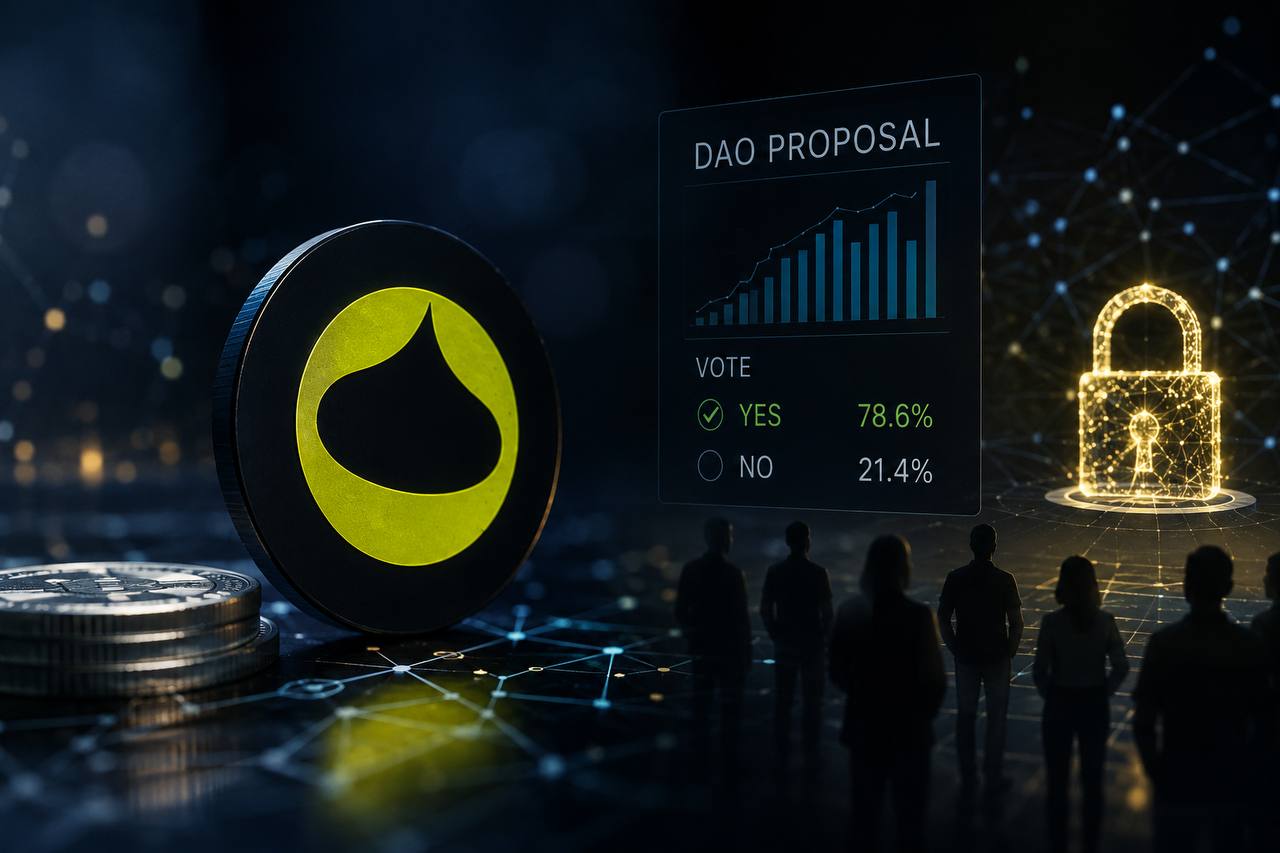
Decentralized governance has always been one of crypto's more ambitious ideas, advocating that communities should be able to participate directly in decisions about the protocols they use rather than leaving them entirely to the organizations behind them.
For years, that promise has largely been associated with voting. DAOs allow token holders to weigh in on protocol upgrades, treasury allocations, incentives and other proposals. But as the industry matures, the more meaningful test is increasingly what happens when the decisions become difficult and carry real financial consequences.
Disputes are where that model becomes more tangible. They can involve competing interests, significant amounts of money and decisions that directly affect participants. In those situations, community governance becomes less about the ability to cast a vote and more about whether that vote leads to a concrete outcome.
Rain Puts a $23 Million Settlement to Its Community
Rain Protocol recently offered an example after its Foundation discovered that participants in its Credit Refund program had used multiple wallets to circumvent a $5,000-per-user allocation cap.
It is a challenge particularly familiar to crypto. Blockchains can distinguish between wallet addresses far more easily than they can determine whether multiple addresses belong to the same person. In Rain's case, the activity increased the amount of $RAIN eligible for claims and created a question over how the remaining allocations should be handled.
Rather than resolving the issue solely at the Foundation level, Rain put a proposed settlement to $RAIN token holders. The Foundation, team-controlled wallets and team vesting allocations did not participate in the vote, leaving the decision to participating members of the community.
The community approved a cash settlement under which Rain Foundation committed $23 million in USDT to purchase the remaining locked Credit Refund allocations at $0.0031 per token. Eligible participants were then given a claim window to exchange their allocations for USDT, with the acquired $RAIN designated for permanent removal from circulation.
On August 25, that process concluded with the burn of 7,419,354,838 $RAIN. The tokens represented 1.035% of circulating supply and were worth approximately $108 million at the time of the burn, bringing circulating supply to 709,173,225,165 $RAIN.
When a Governance Vote Produces an On-Chain Result
Token burns themselves are nothing new in crypto. What makes this example more interesting is the role the burn played in completing a governance decision.
Rather than simply announcing that the settlement had been carried out, permanently removing the tokens created an on-chain conclusion that participants can independently verify. The transaction connected the different stages of the process: a proposal was presented, the community decided, the Foundation then committed the capital to implement that decision, and the final result was recorded publicly on the blockchain.
That ability to connect decision-making with transparent execution could become increasingly important as DAOs mature. Community governance does not require every operational question to be decided by token holders. Its value is more apparent when communities are given meaningful authority over decisions that directly affect their ecosystem.
For an industry built around making transactions transparent and verifiable, governance is beginning to follow the same trajectory. The next phase of DAOs may be less about creating more opportunities to vote and more about demonstrating that community decisions can produce visible outcomes.
A vote shows what a community wants. What happens afterward shows what that vote actually means.
Published on Blockster