Musk vs. Altman Is No Longer Just a Lawsuit — It’s a Fight Over the Future of AI
By Lidia Yadlos
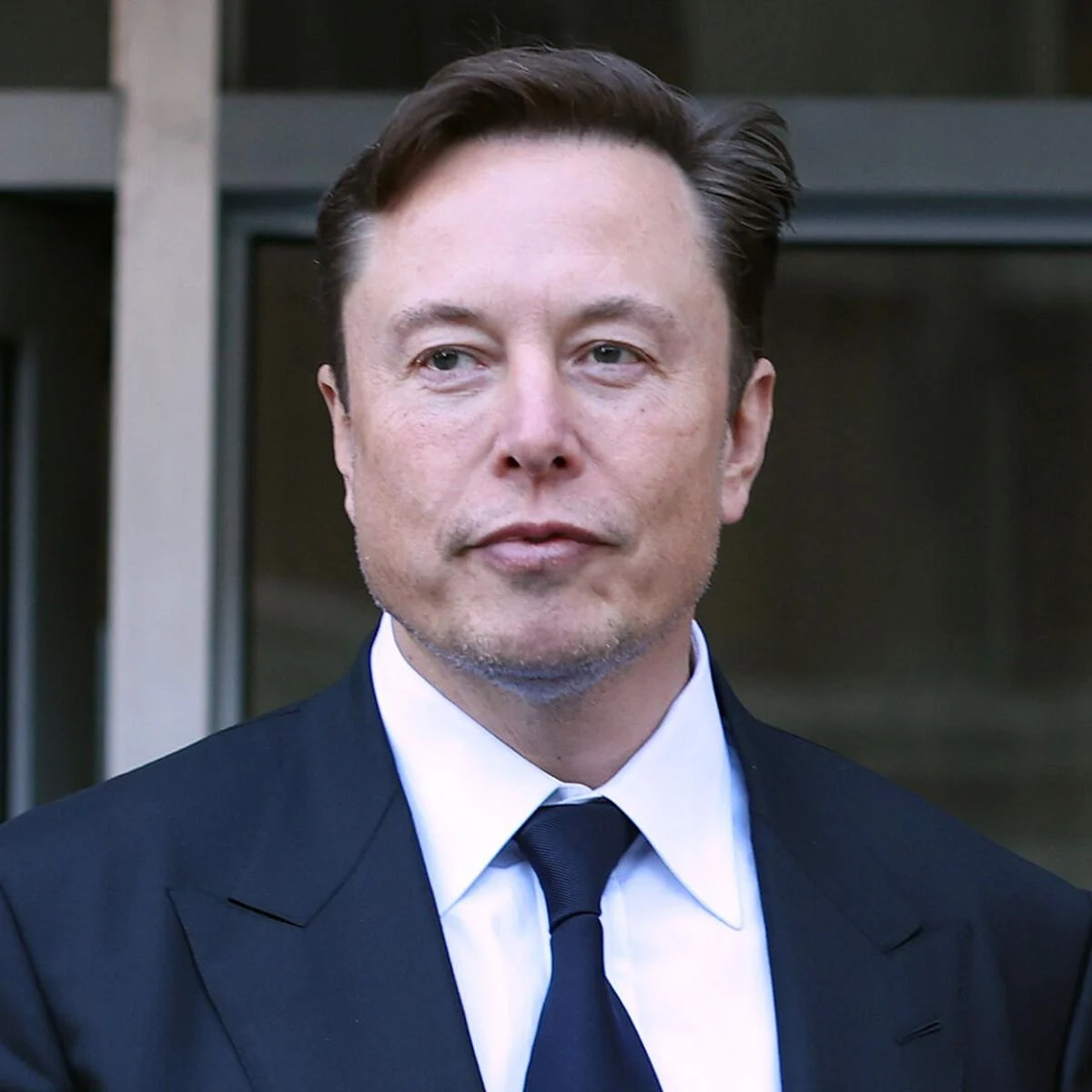
The Elon Musk vs. Sam Altman courtroom battle has officially begun — and it’s quickly turning into one of the most important tech trials Silicon Valley has seen in years.
Inside a federal courtroom in Oakland, California, the feud between OpenAI’s co-founders is now playing out in public, exposing years of internal emails, leadership tensions, power struggles, and accusations tied to the company behind ChatGPT.
But this case isn’t just about personal drama.
The outcome could reshape OpenAI’s future, impact its relationship with Microsoft, influence how AI companies structure themselves, and potentially redefine how nonprofit AI labs transition into trillion-dollar businesses.
The Core Of The Fight
At the center of the lawsuit is a simple question:
Did OpenAI betray its original mission? Musk says yes.
According to Musk, OpenAI was founded in 2015 as a nonprofit AI lab built to develop artificial intelligence for the benefit of humanity — not to maximize profits for executives or investors.
Now, OpenAI sits at the center of the global AI race with massive commercial partnerships, enterprise products, and billions in outside investment.
Musk argues that transformation crossed a line.
As first reported in Reuters, Musk accused OpenAI leadership of effectively “stealing a charity,” arguing the organization abandoned its founding principles once money and scale entered the picture.
OpenAI strongly rejects that claim.
The company argues Musk fully understood the need for a for-profit structure years ago and only became hostile after leaving the company in 2018 and launching rival AI startup xAI, according to reporting from The Guardian.
Elon Musk Takes The Stand
The trial immediately escalated once Musk himself took the witness stand.
During testimony, Musk called himself “a fool” for trusting Sam Altman and funding OpenAI’s early years. Business Insider reported that courtroom exchanges became tense as OpenAI lawyers introduced internal emails suggesting Musk himself explored for-profit structures and even proposed folding OpenAI into Tesla years earlier.
That contradiction could become one of the most important issues in the case.
Musk claims he contributed roughly $38 million in early funding and believed OpenAI would remain open-source and nonprofit-focused.
Instead, OpenAI evolved into one of the most valuable AI companies in the world — now reportedly preparing for a potential IPO later this year that some estimates believe could eventually push valuations toward the trillion-dollar range.
Why Microsoft Matters
The case also places Microsoft directly into the spotlight.
Microsoft remains one of OpenAI’s largest investors and infrastructure partners, with tens of billions tied to the company’s AI expansion strategy.
Recent Bloomberg reporting suggests OpenAI may be reassessing parts of its long-term partnership structure with Microsoft as the company scales globally and faces growing regulatory and competitive pressure.
Microsoft CEO Satya Nadella could still be called to testify later in the trial.
More Than A Personal Feud
The Musk-Altman rivalry has become increasingly personal over the last two years.
Musk regularly mocks Altman online as “Scam Altman,” while Altman has publicly joked about finally getting Musk “under oath.”
But beneath the social media insults sits a much bigger industry question: Can an AI lab truly remain mission-driven once hundreds of billions of dollars enter the equation?
That’s the broader tension hanging over the entire AI sector right now.
Training frontier AI models requires enormous capital, computing infrastructure, and global scale. Critics argue that eventually forces even idealistic AI labs to behave more like traditional corporations.
OpenAI may simply be the clearest example of that transformation happening in real time.
What Happens Next
The trial is expected to continue for several more weeks, with testimony still expected from Sam Altman, Greg Brockman, current and former OpenAI board members, and potentially additional executives tied to Microsoft and OpenAI’s early history.
Musk is reportedly seeking damages that could reach as high as $134 billion, though he now says any proceeds would go toward OpenAI’s charitable arm rather than to himself personally.
He’s also pushing for the removal of Altman and Brockman from leadership positions and wants the court to preserve OpenAI’s original nonprofit structure.
Whether he succeeds is another question entirely.
But one thing is already clear: This trial is no longer just about OpenAI’s past.
It’s becoming a referendum on who gets to control the future of artificial intelligence.
Published on Blockster
Musk vs. Altman Is No Longer Just a Lawsuit — It’s a Fight Over the Future of AI