Global Banks Settle Cross-Border Payments in 80 Seconds Using Tokenized Money
By Lidia Yadlos
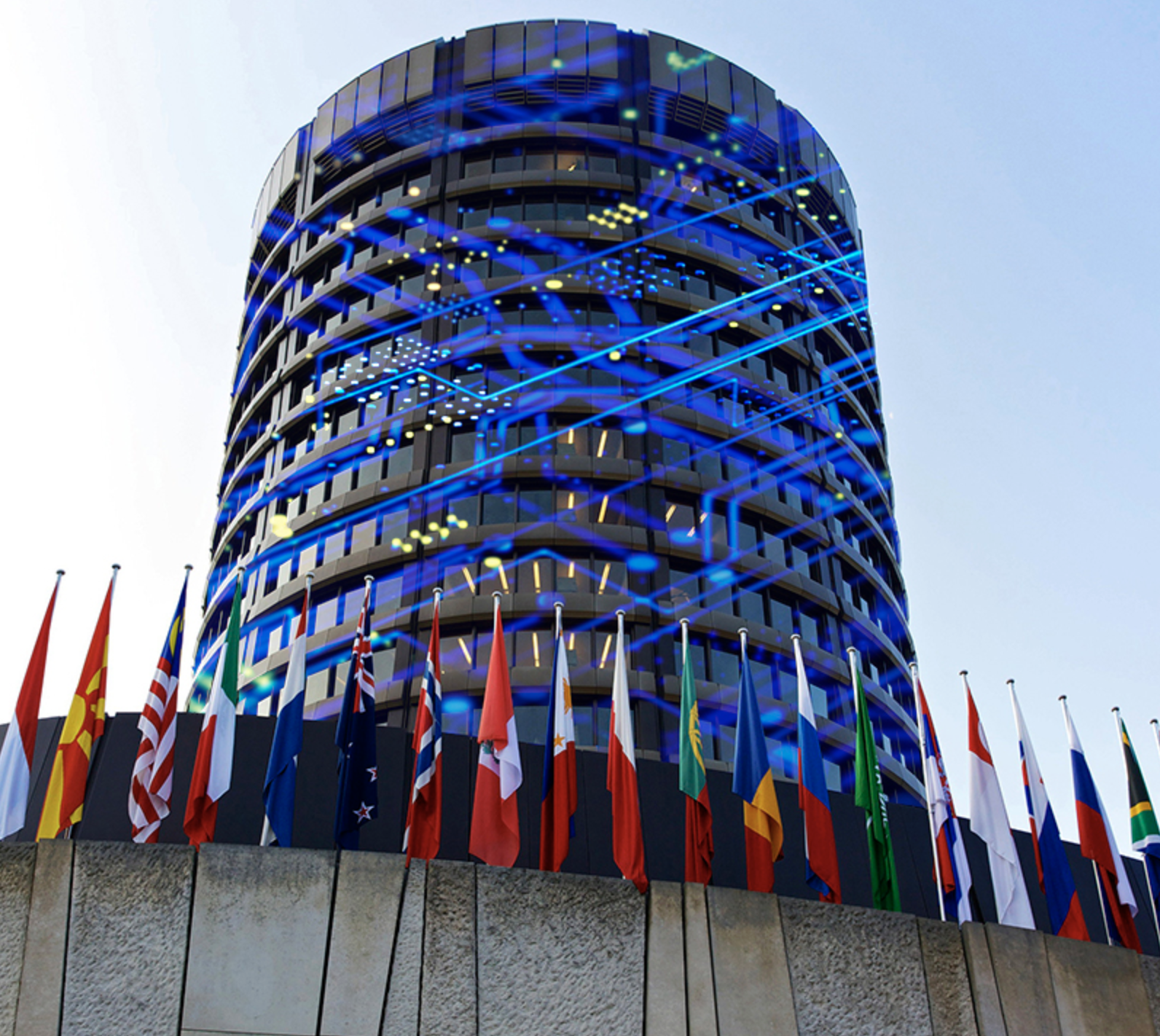
Moving money across borders still takes days. Some of the world's biggest banks think they have found a faster way.
More than 40 financial institutions, including JPMorgan, Citi and UBS, have completed a new pilot led by the Bank for International Settlements (BIS) and the Institute of International Finance, using tokenised commercial bank deposits and central bank money to settle cross-border payments.
The tests moved more than $1 million across six currencies, with transactions completing in an average of 80 seconds. For banks exploring tokenized finance, the results offer another sign that blockchain-based settlement is moving from research into real-world financial infrastructure.
Fixing a System Built Decades Ago
International payments still depend on correspondent banking, where transactions pass through multiple intermediary institutions before reaching their destination. Every additional step adds time, cost and operational risk.
Project Agorá replaces much of that process with a shared programmable ledger that combines tokenised commercial bank deposits with tokenized central bank reserves. Transactions settle atomically, meaning every part of the payment completes at the same time or not at all, eliminating the risk of one side settling while another fails.
Wall Street's Biggest Names Are Involved
Participants include JPMorgan, Citi, UBS, HSBC, Deutsche Bank, Santander, BBVA, Standard Chartered, Visa, Mastercard and SWIFT, alongside central banks including the Federal Reserve Bank of New York, the Bank of England, the Bank of Japan, the Swiss National Bank and the European Central Bank.
Unlike many blockchain pilots focused on retail payments or cryptocurrencies, Project Agorá is designed for wholesale financial markets where banks move billions of dollars every day.
Project Agorá occupies a middle ground that has attracted growing attention from regulators. Rather than replacing commercial banks with central bank digital currencies, the system keeps banks at the centre of settlement while using tokenization to remove many of the frictions built into today's infrastructure.
The BIS says the prototype preserves existing legal frameworks, domestic control over central bank reserves and privacy requirements while allowing multiple currencies to settle on the same programmable platform.
The Next Phase Is Real Money
The latest results mark another step toward live deployment rather than the end of the project. Following successful prototype testing, participants are moving toward larger real-value transactions involving regulated financial institutions, with the Bank of Canada recently joining the initiative.
For years, tokenization has been discussed as a future upgrade to financial markets. Projects like Agorá suggest that transition is already underway, not through public crypto networks, but inside the infrastructure used by many of the world's largest banks.
Published on Blockster
Global Banks Settle Cross-Border Payments in 80 Seconds Using Tokenized Money